Poker fundamentals: think clearly before you act
This guide explains poker fundamentals, table observation, decision-making and bankroll awareness in clear Bengali. It is an educational poker article, not confirmation that BigTaka offers poker tables or poker features.
In poker, you need to understand the situation, not just the cards.
Playing every hand is not automatically a smart decision.
Bankroll awareness and self-control support better decisions.

- Observe the table
- Separate chance from choice
- Avoid impulsive action
General illustration for poker decision-making; not a verified BigTaka interface.
Why poker requires a different kind of attention
Poker combines uncertainty with decisions. The cards introduce chance, while position, table behaviour, timing and the strength of your hand shape your choices. Treat each hand as a separate decision rather than assuming that a previous result predicts the next one.
A useful beginner habit is to observe before acting. Notice how often players enter a hand, whether their actions change with the board, and how quickly they make decisions. These observations do not reveal certainty, but they can help you avoid impulsive assumptions.
Poker sessions will not all feel the same. Some hands will go well and others will not, so judge your process rather than chasing every short-term result. If your attention drops or frustration rises, pausing is a sound decision.
Remember before you begin
- You do not have to play every hand.
- Patience is more useful than forced action.
- Use observations, not emotion, to guide decisions.
- Set a clear entertainment budget before playing.
- Keep your session length within a limit you can follow.
BigTaka and the probability behind betting odds
Probability helps separate a single outcome from a long sequence of outcomes. In poker, a strong decision can still lose one hand, while a weak decision can occasionally win. That distinction is important when reviewing your play.
When interpreting probability, do not treat odds as a certain outcome. A number may express an estimated likelihood or a market price, but it does not promise a win or a specific return.
The linked educational video is a general reference about interpreting odds and probability. It is not a BigTaka endorsement, does not confirm poker availability, and should not be treated as evidence about local legality, payments or licensing.
Use probability as a way to question assumptions, not as a promise of profit.
MindYourDecisions · English · Watch on YouTube
- One result does not prove a strategy.
- Odds are not guarantees.
- Keep risk and entertainment limits clear.

- Learn hand rankings
- Review table actions
- Set limits first
General poker education illustration, not a registration or account screen.
A practical poker learning path
Step 1: Learn the rules
Start by learning the hand rankings, betting rounds and basic actions such as checking, calling, raising and folding. You do not need to master everything at once; focus on one concept at a time.
Step 2: Understand the table
Review the table format, turn order, bet sizes and available actions before making a decision. Make sure you understand what has already happened in the current betting round.
Step 3: Set a learning and spending limit
Before playing, set a time limit and use only money reserved for entertainment. Never use essential funds or chase losses; the responsible-gaming guide explains practical ways to set and maintain limits.
Step 4: Start with low pressure
Begin by observing practice hands or low-stakes situations, if available, and focus on decision quality rather than results.
These steps make poker easier to study. Treat each session as practice, keep notes, and stop when your attention or budget limit is reached.

- Wait for useful situations
- Track your emotions
- Pause when frustrated
General illustration of patience in poker; no specific table or brand interface is shown.
Why patience often matters more than aggression in poker
Playing more hands does not automatically produce better decisions. Each position, hand and opponent action carries different information, so folding and observing can be sound choices.
Patience is not passivity. Compare the position, previous actions and likely ranges before choosing a response, while remembering that poker outcomes remain uncertain.
A good session is not defined by one win or loss. Review whether your reasoning was disciplined, rather than judging yourself only by the outcome.
Why bankroll planning matters
Strategy matters, but money management protects your ability to make calm decisions. Decide in advance how much time and money you can afford to spend.
Set a firm session limit and a stop point before you begin. Do not increase the amount to recover a loss or continue because of excitement.
Keep poker within your entertainment budget and time limit. If it begins to affect essential spending, your mood or daily responsibilities, stop and seek appropriate help. See the responsible-gaming guide for warning signs and practical safeguards.
- Check the full context
- Avoid chasing losses
- Keep decisions consistent
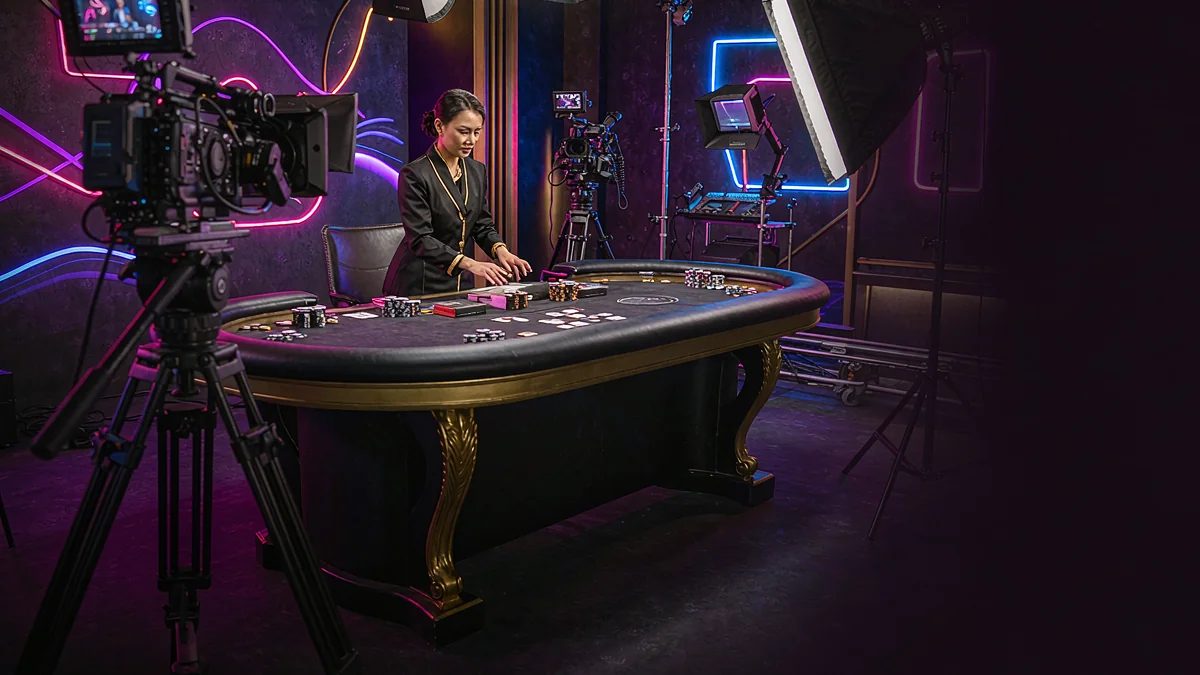
General educational illustration about poker habits; not a verified game listing.
Rushing versus a thoughtful poker approach
| Topic | Rushed approach | Balanced approach |
|---|---|---|
| Hand selection | Playing almost every hand | Choosing hands according to position and context |
| Emotional control | Reacting quickly to wins or losses | Maintaining composure throughout the session |
| Budget management | Ignoring preset limits | Planning before starting |
| Reading the table | Ignoring other players’ actions | Giving careful attention to patterns and actions |
| Long-term learning | Making habits harder to improve | Treating every session as a learning opportunity |
The comparison shows that poker is not only about courage or risk. Understanding, waiting and respecting your limits can improve decision quality, although no method guarantees a win.
For learners, each decision is more useful than simply playing faster. Review the reasoning behind a move and record what you would change next time.
Habits that support a healthier poker experience
Do not play when tired, upset or overly excited. Keep sessions short, focus on the decision process, and take breaks before concentration falls.
Protect account details, use only trusted access points, never share passwords or wallet PINs, and sign out on shared devices.
For related game concepts, read the Joker Poker guide or The Great Icescape guide. Treat each game as a separate experience with its own rules and variance, and review the responsible-play guidance before deciding whether to participate.
Poker study checklist
Final thoughts: understand poker before making decisions
Poker combines rules, probability, position and incomplete information. New learners should focus on table structure and hand selection before expecting results.
Steady observation, responsible budgeting and emotional control support better learning. They do not remove the possibility of loss or guarantee a particular outcome.
Before any session, set a time and spending limit, review the rules, protect your login details, and decide when you will stop. The payment guide explains how to review reported limits and keep transaction records. This page is educational and does not claim that BigTaka offers poker tables.
